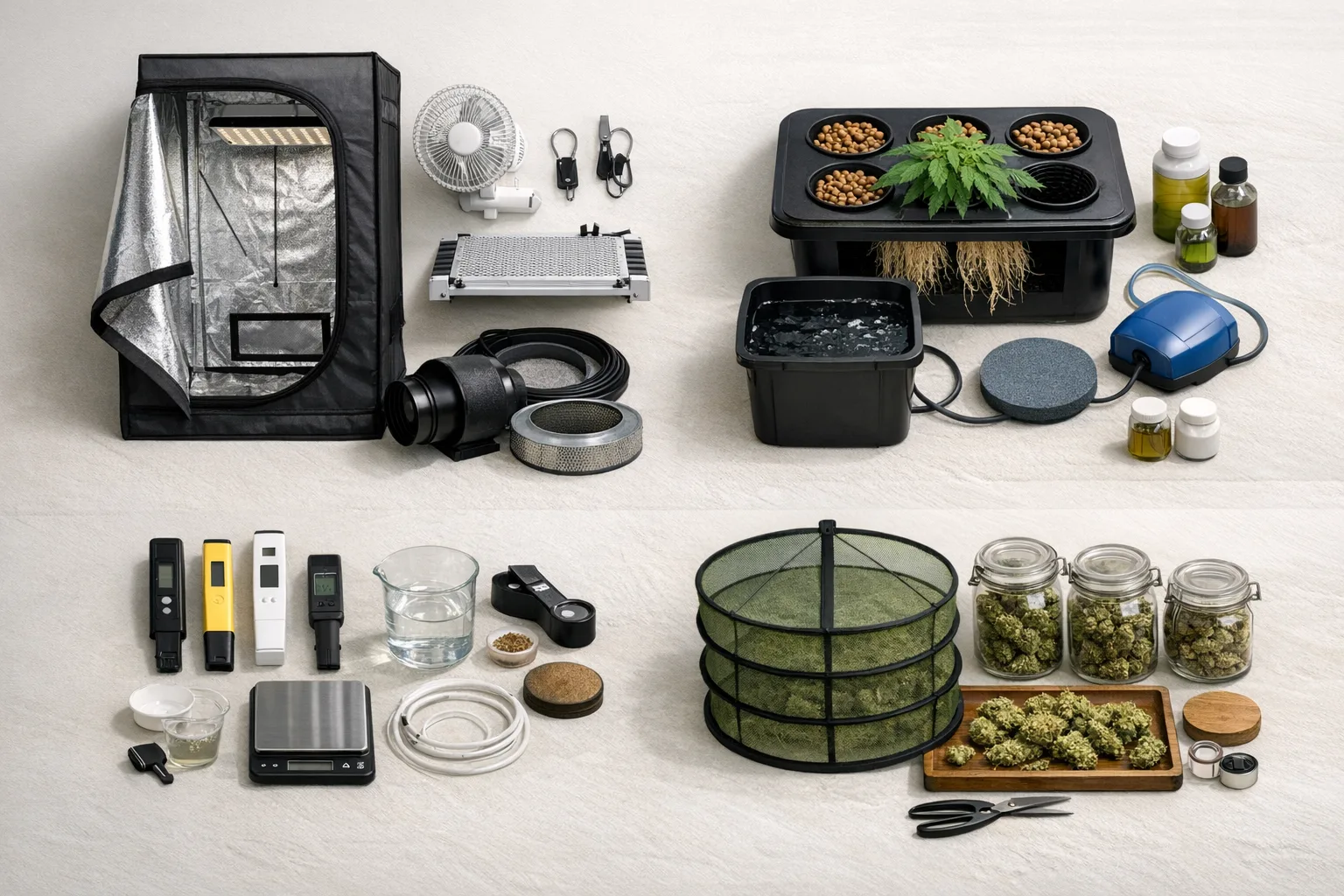
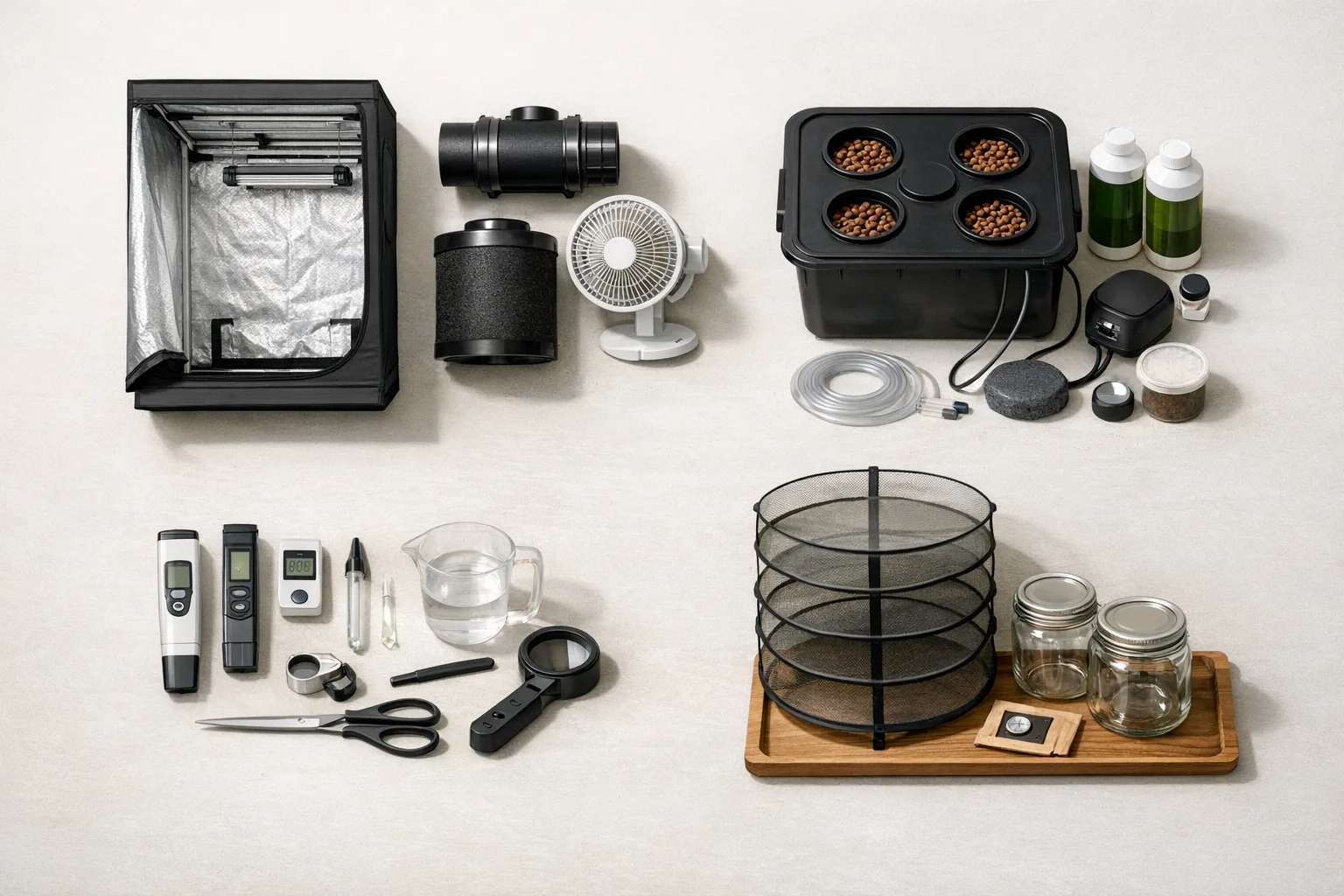
The real comparison is workflow discipline versus room flexibility.
Searchers often come to this phrase looking for a product verdict. The honest answer is more structural. A cabinet is usually a better fit for growers who want the enclosure to behave like one contained operating system. It tends to feel cleaner, more integrated, and less willing to hide messy process. A tent is usually a better fit for growers who need modularity, want more room to expand or rearrange, or are not ready to commit to a tighter built-in flow.
That does not mean cabinets are automatically easier. A cabinet can become frustrating fast if the method is too large, the service access is poor, or the grower keeps treating the room like a bigger space than it is. A tent can become excellent if the footprint stays disciplined and the plant stays in scale. The enclosure does not rescue a weak workflow. It only changes where weak process shows up first.
ColaXpress keeps framing this as a compact-system decision for that reason. This page belongs beside the wider seed-to-jar workflow and the trait-level logic in picking a strain that fits the box. The question is not just what enclosure can hold a plant. The question is what enclosure helps the whole seed-to-jar path stay readable when the room gets busy. And if the comparison you are actually weighing is one rung larger — converting a spare room or closet instead of buying an enclosure at all — start with grow room vs grow tent and come back once the footprint is settled.