Troubleshooting guide

Why Growth Is Slow in a Compact Setup

Slow growth in a compact cannabis setup usually means the room, the root zone, and the plant structure are no longer moving at the same pace. The common causes are stale or inconsistent air, roots that are not supporting momentum, a canopy that outgrew the footprint, or a routine that kept changing until the plant lost a stable baseline. In a small room, slow growth is rarely random. It is usually the first readable sign that the setup stopped matching itself.

That is why the answer is almost never one heroic product or one panic correction. Compact grows slow down when the system becomes harder to read. The fix usually starts by making the room simpler again, not louder.

Most common cause The enclosure, canopy, and roots are no longer working in the same proportion.
Most common mistake Changing several variables at once and learning nothing from the slowdown.
Best first move Read the room, then the structure, then the roots, and only then the correction.
What it means

Slow growth is usually a system mismatch before it becomes a plant emergency.

Searchers using this phrase are often looking for a missing ingredient, a light setting, or a single nutrient adjustment. In compact rooms, that is usually too narrow. Slow growth often means the room has become harder to interpret. The plant is still alive, the leaves may still look decent, and nothing may seem dramatic enough to call a disaster. But the pace has gone flat, the daily check feels dull, and the setup no longer responds with the confidence it had earlier. That is the signal.

In practical terms, slow growth means momentum is being taxed somewhere in the system. Sometimes that tax is environmental: the air feels heavy, the room runs too warm, or the enclosure never fully clears after the door opens. Sometimes it is structural: the plant has too much mass for the airflow and light path the room can honestly support. Sometimes it is root related: the medium or reservoir is not feeding movement the way it should. Sometimes it is behavioral: the grower keeps changing things faster than the room can answer.

This is why the page belongs next to daily cannabis grow checklist and common mistakes growing cannabis. The slowdown is not just a symptom list. It is a reading problem. Small rooms reward growers who can tell the difference between a room that is quiet and a room that is quietly dragging.
Short version

Slow growth is often the room whispering before the plant has to start yelling.

  • Weak airflow can flatten momentum before leaves look dramatic.
  • Oversized structure often shows up as slow growth before obvious damage.
  • Roots can stall the whole room while the canopy still looks mostly fine.
  • A compact setup punishes stacked corrections quickly.
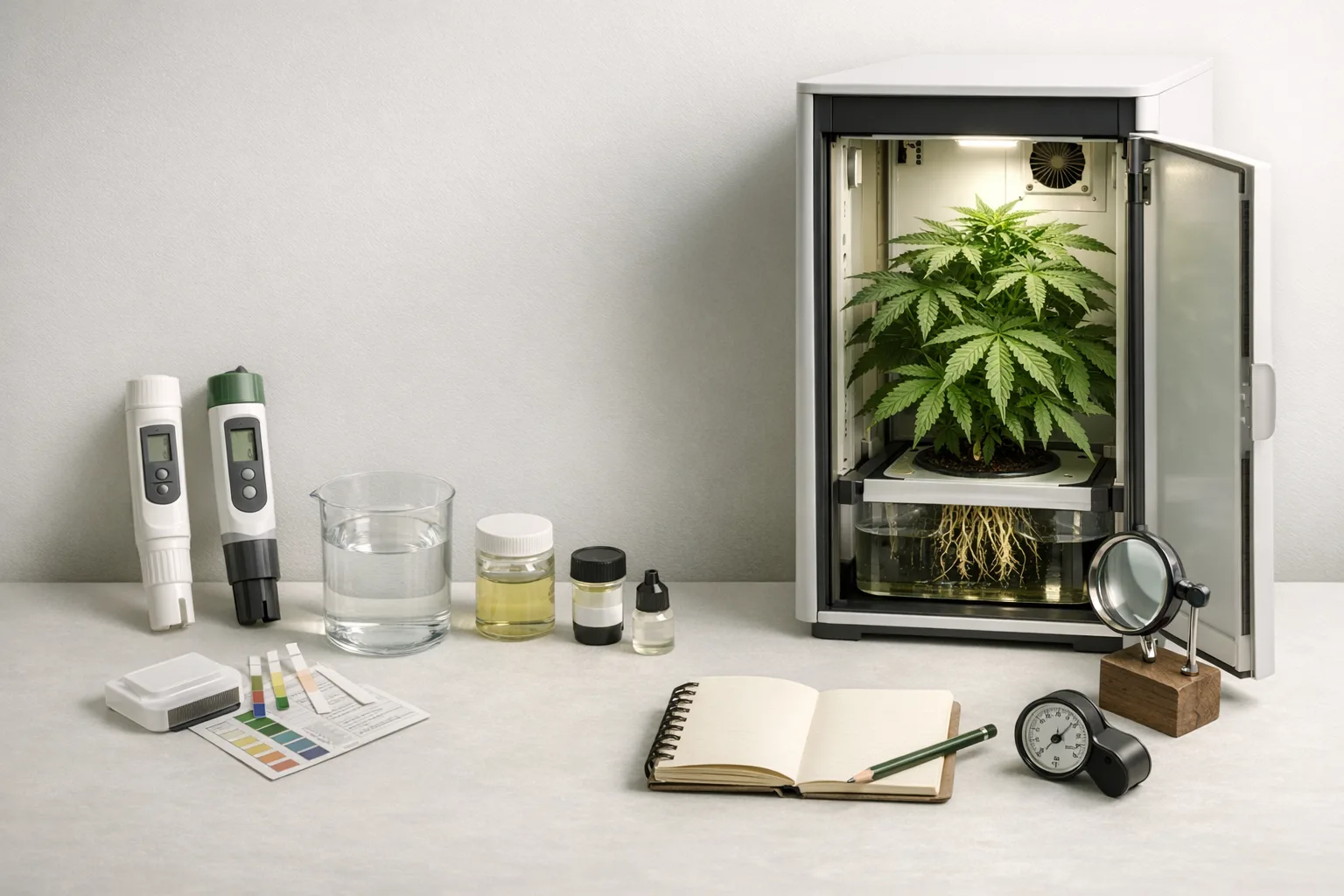
Compact grow dashboard showing temperature, humidity, canopy notes, and growth checkpoints used to diagnose slowing momentum.
Slow growth becomes easier to diagnose when the room is being read in the same order every day.
Why it matters in a compact grow

Small spaces expose drag faster because every variable sits closer to the plant.

In a bigger room, mild drift can sometimes hide inside distance, extra airflow, or sheer volume. In a cabinet or tight tent, that slack mostly disappears. Heat reaches the canopy faster. Heavy air stays trapped longer. Overcrowded structure blocks light and circulation sooner. Root underperformance shows up more directly because the rest of the room has less space to compensate. That is why compact setups often feel brutally honest: they expose weak process early.

The good side of that honesty is speed. You do not have to wait forever to know something is off. The hard side is that overreaction becomes expensive quickly. If the room is already small and you answer a slowdown by changing feed, pruning harder, adjusting the light, and reworking airflow in one burst, you replace one diagnosis problem with four. This is the same pattern that shows up in humidity problems in a grow cabinet and in the smaller quick-answer version, how to lower humidity in a small grow tent. Compact rooms punish stacked confusion more than they punish modest imperfection.

Slow growth matters more in compact setups because it usually points to the same question the whole ColaXpress workflow keeps asking: does the plant still fit the room? If the answer is slipping toward no, growth slows because the plant is spending energy surviving the mismatch instead of using the room efficiently.

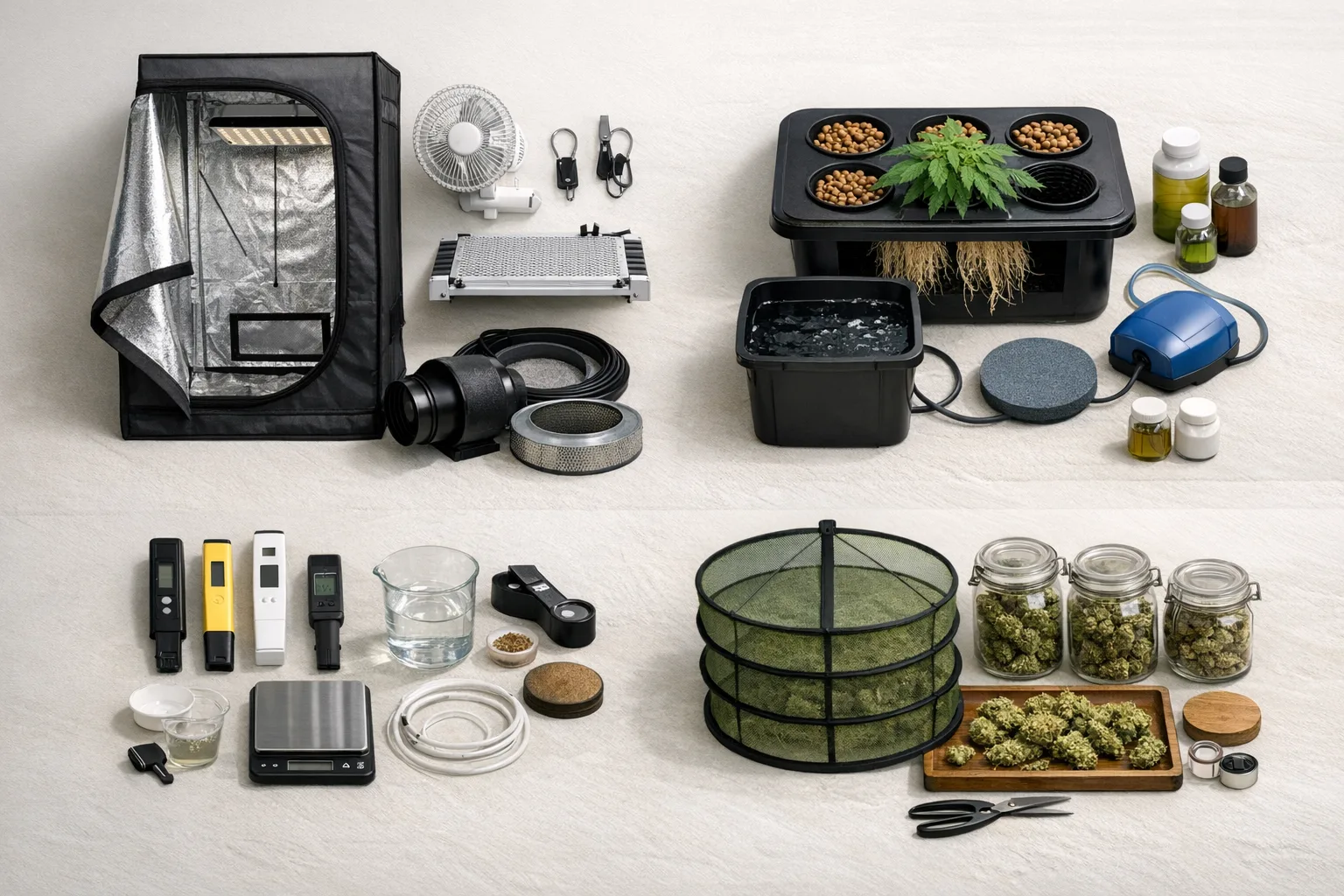
Compact system map showing how stale air, crowded canopy, root drag, and changing routines can combine to slow cannabis growth.
Slow growth usually belongs to a pattern: room drag, structure drag, root drag, or routine drag.
Diagnosis layer

The slowdown usually fits one of four repeat patterns.

What you notice What it often points to Calmer next move
The plant looks decent, but new growth has lost pace The room may be warm, dull, or inconsistent without looking catastrophic. Read the enclosure first and compare your routine to daily checks before touching several plant inputs.
The canopy is thick and the room feels heavy The structure is outrunning the air path, light path, or footprint. Reduce crowding and recheck whether the plant still fits the room honestly.
Top growth slowed after reservoir or root-zone drift The roots may be under-oxygenated, overhandled, or simply not driving momentum well. Return to the root zone and compare with DWC for beginners or root problems in DWC.
Every correction seems to make growth flatter The room lost its stable baseline and the diagnosis has gone reactive. Stop stacking changes and restore a simple sequence the room can answer clearly.

That pattern table is usually more helpful than trying to guess from one leaf or one day. Slow growth is often cumulative. A little stale air plus a little structural crowding plus a little routine inconsistency is enough to flatten momentum in a compact room without creating a movie-scene failure.

Where DWC or VGrow fits

Contained hydro can make slow growth easier to diagnose, but only if the root zone stays readable.

DWC and cabinet-style systems often help with diagnosis because they pull more of the grow into one visible workflow. When the room is contained and the reservoir is being watched honestly, slow growth becomes easier to connect to a cause. If the water behavior changed, if oxygenation fell off, if the roots lost brightness or vigor, or if the canopy suddenly asks more from the reservoir than it can support, DWC tends to reveal that sooner than a buffered medium does.

That is the strongest reason ColaXpress keeps pointing readers toward the VGrow DWC guide and the comparison pages around it. A contained system is useful because it reduces hiding places for confusion. But the same honesty means hydro will not protect you from loose habits. If the grower stops reading the reservoir carefully, slow growth can still turn into a vague argument even inside a cabinet that looked organized on day one.

If you are still deciding whether the medium itself is part of the slowdown, step sideways into DWC vs soil for small cannabis grows. That page helps separate medium-fit problems from room-fit problems so you do not keep blaming the wrong layer of the system.

Compact DWC cabinet panel showing reservoir readability, canopy fit, and maintenance checkpoints used to troubleshoot slow growth.
DWC helps only when the reservoir, canopy, and room are all being read as one system.
Common mistake

The classic mistake is treating slow growth like a single defect instead of a room mismatch.

The most common bad response is intensity. Growers see the pace flatten and answer with more nutrients, more pruning, more airflow, more repositioning, or a new schedule, all before the room has had time to answer the first change. That is how a readable slowdown becomes an unreadable one. In compact rooms, the correction should usually simplify the system before it complicates it.

The second common mistake is blaming the plant for a problem the room is creating. A cabinet that is too crowded, too wet, too hot, or too inconsistent will eventually ask the plant to slow down. When the grower keeps treating that slowdown as a personality flaw in the cultivar, the real fix gets pushed farther away. This is why the planned inbound from common mistakes growing cannabis matters so much. Many slow-growth cases are simply the mistake layer arriving in a quieter form.

What to avoid
  • Changing feed, training, and airflow in the same hour.
  • Trying to grow a larger-room canopy in a cabinet that already feels heavy.
  • Ignoring root-zone behavior because the leaves are not dramatic yet.
  • Using compact equipment while expecting big-room slack.
  • Reading every flat day as failure instead of checking whether the room itself changed first.
Compact workflow board showing how room drag, root drag, and routine drift affect the path from active growth into harvest and finish quality.
Slow growth is not only about veg speed. It is often the first warning that the finish path will get harder too.
Practical takeaway

Fix the read before you fix the plant.

Slow growth in a compact setup gets easier when you return to sequence. Check the room. Check the structure. Check the roots. Check what changed. Then make one calmer correction that helps the room become readable again.

If the slowdown turns out to be less about plant health and more about the rules, limits, and assumptions behind the setup, the broader questions in the ColaXpress grow FAQ can help you separate a real cultivation issue from a planning mismatch.

01 Read the enclosure

Check whether heat, airflow, and humidity still feel believable for the footprint you chose.

02 Read the plant size

Ask whether the canopy is still in proportion or whether the room is quietly carrying too much mass.

03 Read the roots

Confirm that the medium or reservoir is still supporting momentum instead of forcing the plant to stall politely.

04 Read the routine

Write down recent changes, remove stacked noise, and give the room one clean question to answer.

If the slowdown still feels mysterious after that, go broader instead of louder. Revisit the grow system, check the enclosure choice against cabinet grow vs grow tent, and keep the craft-first logic in view through craft cannabis cultivation. Small rooms usually recover best when the next move restores proportion.

FAQ

Questions people usually mean when they search this phrase.

Why is my cannabis plant growing slowly even though it does not look sick?

Because compact setups can lose momentum before they look dramatic. Heavy air, weak roots, crowded structure, or routine drift can flatten growth without creating an immediate visual crisis.

Can humidity cause slow growth in a small grow?

Yes. Stale, wet air can reduce how efficiently the room moves and make the canopy feel heavier than it should. If that sounds familiar, compare your room with humidity problems in a grow cabinet.

Does slow growth in DWC usually mean the roots are the problem?

Not always, but the root zone should be checked early because DWC makes root drag more visible. Slow top growth after reservoir drift is often a clue that the roots are not driving momentum the way they were before.

Should I change nutrients first when growth slows?

Usually no. Read the room and the structure first. Nutrients may be part of the answer, but compact slowdowns often start with environment, canopy proportion, or stacked corrections rather than one bottle problem.

What is the best next page if I still cannot isolate the cause?

Start with daily cannabis grow checklist, then use common mistakes growing cannabis if the slowdown feels tied to routine, or DWC vs soil for small cannabis grows if the method itself still feels uncertain.