Grow method

12/12 from seed is a compact flowering method for smaller indoor grows.

In 12/12 from seed, the plant grows under a flowering light rhythm from the beginning instead of spending weeks in a longer vegetative phase. That keeps the structure smaller and the workflow tighter.

The appeal is not mystery. It is subtraction. Less vertical drama, less training theater, fewer ways for a beginner to let a modest grow turn into a full-time negotiation. In ColaXpress terms, that is craft: a smaller run built with more intention and fewer fake decisions.

Best for Compact cabinets, limited height, simpler first grows.
Main tradeoff Smaller plant and a lower yield ceiling than long-veg approaches.
Main benefit Cleaner structure and fewer canopy-management demands.
What it is

The plant skips the long setup act and gets to the point faster.

Instead of letting the plant build a wider, more vegetative structure first, this method pushes it toward flower early. The result is a smaller plant that puts more emphasis on a main cola and less on sprawling branches.

That changes the whole tone of the grow. The room stays easier to read, the canopy stays less theatrical, and the grower spends less time pretending a compact cabinet should behave like a much larger room.
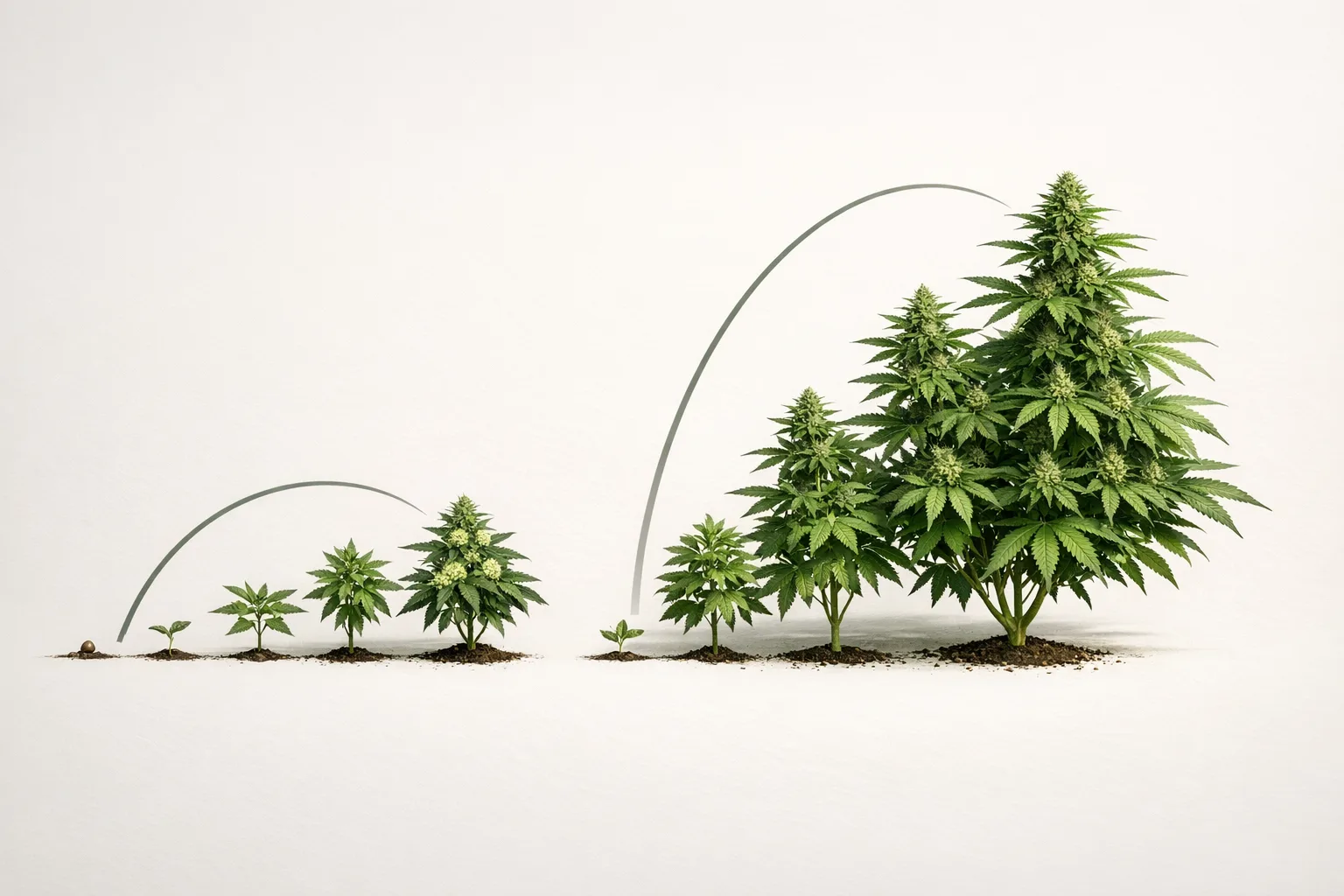
What it changes

12/12 changes size, timing, and how much plant-management noise the room has to absorb.

The plant usually stays smaller, shows structure earlier, and reaches the finish path without a long vegetative detour. That does not make it universally better. It makes it cleaner for a compact system whose main goal is readable control instead of maximum canopy ambition.

Visual timeline comparing 12/12 from seed with a longer vegetative cannabis grow, emphasizing compact size and earlier flowering decisions.
The value of 12/12 from seed is not speed alone. It is a shorter decision path.
Craft fit

This method works best in compact craft grows where clarity matters more than bulk.

In ColaXpress, craft means building a smaller grow with more intention, better reading of the room, and fewer dramatic corrections later. That is why 12/12 from seed belongs here. It asks the plant to stay closer to the scale of the cabinet and asks the grower to choose discipline over spectacle.

Room

Better cabinet fit

The method respects limited height and keeps structure more believable inside a contained environment.

Plant

Cleaner shape

The plant usually stays more centered around a main cola instead of demanding a sprawling training plan.

Grower

Fewer fake decisions

The room asks for monitoring and consistency, not constant reinvention.

Fit check

Who this method is for, and who should leave it alone.

For

Cabinet growers

Height-limited spaces where compact structure is not just nice, but necessary.

For

Beginners

Growers who want fewer moving parts and less pressure to master advanced training immediately.

Not

Big-canopy ambitions

If you want a large, heavily trained plant, this is probably not the path you are really after.

A good shortcut is this: if the main goal is a cleaner first run in a contained room, this method is a strong candidate. If the main goal is maximum plant size, long vegetative control, or a training-heavy style, it is probably the wrong tool for the job.

What this method assumes

12/12 from seed works best when the grower accepts the room for what it is.

The method assumes a genuine compact mindset. That means keeping the light schedule disciplined, accepting that the plant is not there to become enormous, and valuing a cleaner workflow over the thrill of trying to bend the room into something bigger than it is.

Genetics fit

Some genetics cooperate better with this method than others.

The friendliest match is a cultivar that does not stretch like it is trying to leave the cabinet. If a strain is known for explosive height or a sprawling branch habit, the method can still technically work, but the whole compact logic gets a lot harder to defend. For the fuller trait filter before you commit the room, use best cannabis strains for small spaces.

Timeline

The rhythm is simple, but the simplicity works only when each phase gets the right kind of attention.

Week 0 Germinate cleanly

Get the seed established and into the final environment with as little stress as possible.

Weeks 1-3 Set structure early

The plant stays smaller and starts telegraphing the shape of the run sooner than a long-veg grow would.

Weeks 4-8 Keep the room honest

Watch environment, feed with restraint, and do not start inventing unnecessary heroics.

Finish Read the signals

When the plant is ready, trichomes and pistils will tell you faster than optimism ever will.

The key difference from a long-veg run is that every wobble shows up in a tighter frame. Early stress, inconsistent light timing, and sloppy feeding all stand out faster because the method is asking for a cleaner line from seed to finish.

Tradeoffs

The method is not about chasing maximum size. It is about trading size for control.

That trade makes sense in a compact room. The plant is easier to manage, the cabinet stays believable, and the grower can spend more attention on consistency instead of wrestling the plant back into shape.

The cost is obvious and should stay obvious: a smaller plant, a lower yield ceiling than some long-veg approaches, and less room for people who want a large, heavily manipulated canopy. This is craft over mass, not magic over tradeoffs. If those tradeoffs no longer match the room or the goal, read when 12/12 from seed is a bad idea.

Why it fits the system

The method belongs here because it agrees with the cabinet instead of fighting it.

A contained cabinet from the full grow system works best when the plant is not trying to outgrow the logic of the environment. That is where 12/12 from seed earns its place. It keeps the plant honest, and frankly, it keeps the grower honest too.

The root-zone side matters too. A cleaner method paired with a readable root zone in DWC basics means fewer contradictory signals and a simpler first-run learning curve.

Practical notes

What matters most once the schedule starts.

  1. Start clean: early stress has a way of echoing louder in compact grows.
  2. Stay consistent: the light schedule only works if it is actually consistent.
  3. Do less, better: the point is not to create more tasks. It is to make fewer tasks matter more.
  4. Plan the finish now: the growers who think about harvest timing and curing early usually thank themselves later.
Decision guide

Use 12/12 from seed when the room wants structure. Skip it when the goal wants scale.

If your goal is 12/12 from seed Why
A cleaner cabinet run Good fit It keeps the plant smaller and the system easier to interpret.
A simpler first grow Good fit It cuts down on training pressure and keeps the room from getting louder than it has to.
A giant trained plant Weak fit This method is not designed for maximum canopy ambition.

That is the core judgment. If the room, the cabinet, and the grower all benefit from a more edited run, 12/12 makes sense. If the project only feels satisfying when the plant gets large and heavily shaped, this method usually creates frustration more than craft.

Where people drift

The usual mistakes are not glamorous, but they are consistent.

  • Choosing genetics that stretch harder than the space allows.
  • Overfeeding because the plant looks smaller and the grower panics.
  • Expecting a compact method to deliver giant-plant results.
  • Letting large-room instincts sneak back in once the plant looks healthy.
  • Ignoring harvest and cure until the end of the run.

Most of those mistakes come from forgetting the real promise of the method. It is not more output from less room. It is better craft in less room, with fewer opportunities for the workflow to turn into theater.

The quiet discipline matters here. A compact craft run rewards growers who keep the environment steady, the feeding measured, and the expectations honest. Once the room stops being asked to perform miracles, the method starts looking much more intelligent.

That is also why the finish stage matters so much. A method built around control deserves a finish that is just as controlled, not a rushed handoff once the plant finally looks done.