How to Choose a Grow Method for Small Spaces
Learn how to choose a grow method for a small indoor space by matching roots, plant size, workflow, and finish control before buying gear for cleaner runs.
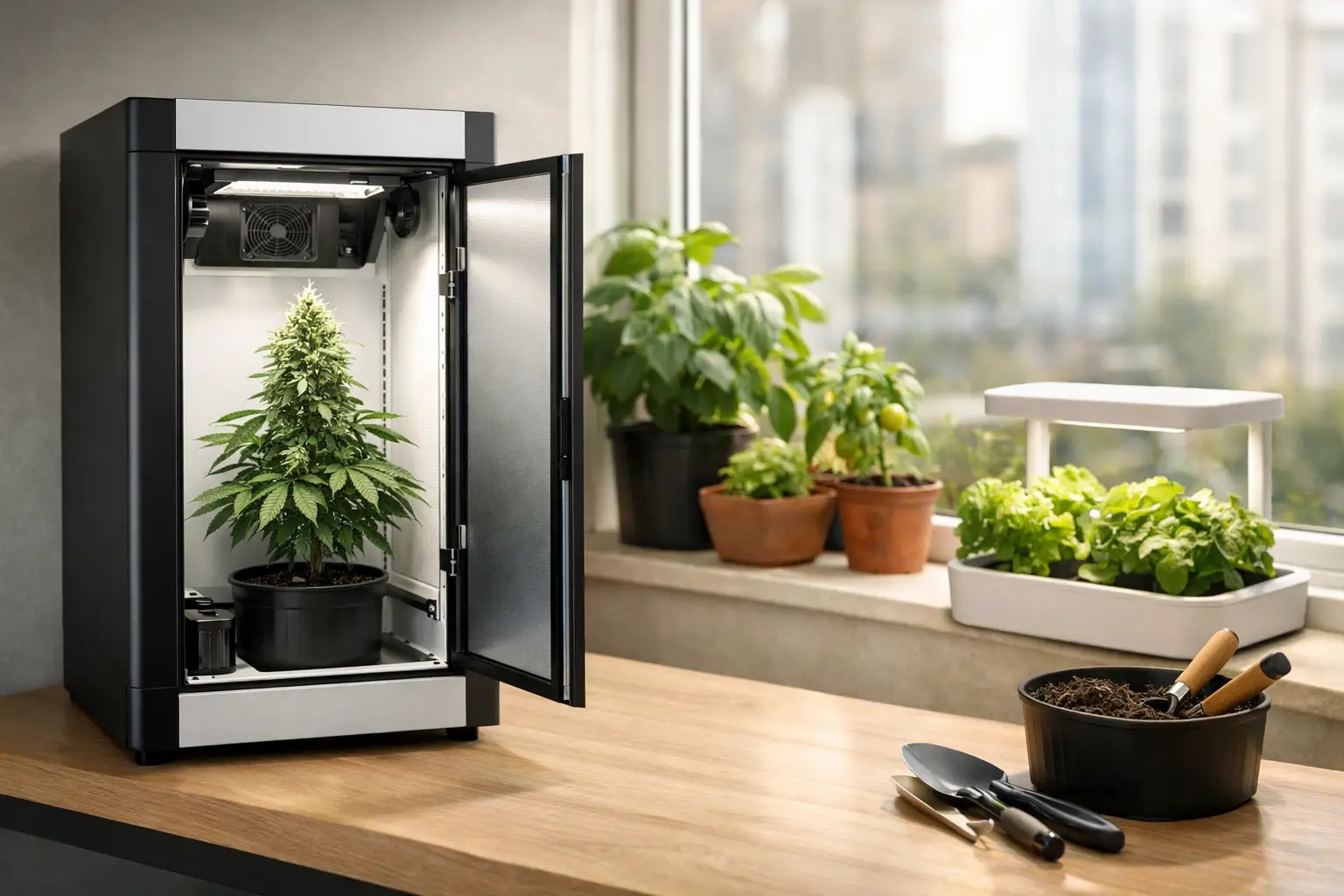
A grow method is not a personality test. It is a set of work you agree to perform, inside a space with hard limits. How to choose a grow method comes down to one question: can you keep this root zone, canopy, and environment readable from seed to jar? If the answer is no, the method is too complex for your current setup, no matter how impressive it looks online.
For a compact indoor grow, the wrong method creates avoidable drama. A tall, heavily trained plant in a short cabinet fights the light. A soil container that stays wet for a week hides root problems. A hydro system without a daily check routine can turn a small mistake into a fast-moving one. Craft comes from matching the method to the room, then running that method with discipline.
Start With the Space, Not the Plant
Most beginners choose a strain, a nutrient line, or a technique first. That is backward. Your enclosure decides more than any of those things. Measure its usable height after subtracting the light fixture, hanging hardware, pot or reservoir, and the safe distance between the canopy and the light. The number left is your actual plant space.
A cabinet grow has different demands than a 4-by-4 tent. In a compact cabinet, every inch matters. You need a plant that can finish short, an irrigation or reservoir system that fits without blocking airflow, and enough access to inspect leaves and roots. If you cannot reach the back of the enclosure without crushing the plant, you do not have a workable maintenance plan.
Also assess your environmental control before choosing a method. Know your typical room temperature, humidity, and whether you can exhaust heat reliably. Hydroponic water temperature is tied to the room. Drying conditions are tied to the room too. A grow method is not just what happens during veg and flower. It has to fit the full workflow, including drying and curing.
How to Choose a Grow Method by Daily Workload
Every method trades one kind of work for another. The right choice is not the method with the fewest tasks. It is the method whose tasks you will actually do on schedule.
Soil or soilless media: slower feedback, more buffer
Growing in soil or a soilless mix such as coco gives the roots a physical medium and, depending on the setup, more forgiveness during short periods of neglect. Soil is often the easier entry point for someone who cannot check a plant daily. It can buffer pH and feeding mistakes better than a bare-water system, but it also makes the root zone harder to read. Overwatering, poor drainage, and slow nutrient issues can stay hidden until the leaves start complaining.
Coco is more controlled than soil but usually demands more frequent irrigation and regular nutrient management. It can produce excellent results in small spaces, especially when paired with simple hand watering or drip irrigation. The trade-off is runoff management and the need to stay consistent. Coco is not a set-it-and-forget-it medium just because it comes in a bag.
Choose soil or coco if you want a familiar container-based workflow, have limited time for daily measurements, and can manage watering without soaking the root zone out of habit. Keep the container size proportional to your headroom. Bigger pots do not automatically mean better plants in a cabinet. They often mean taller plants, longer drybacks, and less room to work.
Deep water culture: fast feedback, daily discipline
Deep water culture, or DWC, keeps roots in aerated nutrient solution rather than a pot of media. It is a strong fit for growers who want a clean, compact root-zone system and are willing to check it every day. You can see water use, track pH and EC, inspect roots, and correct a problem before it becomes a week-long mystery.
That readability is the point. DWC does not eliminate responsibility. It makes responsibility visible. Water level, nutrient strength, pH, and temperature all matter. In a small reservoir, plants can change the solution quickly, especially once flowering is underway. If your schedule makes daily checks unrealistic, do not choose DWC because someone called it easy.
For the grower who values a structured routine, DWC can be a very clean match for a compact enclosure. A single plant, a properly sized reservoir, controlled plant height, and a written check routine remove much of the chaos that comes from mixing methods and chasing fixes. ColaXpress favors this kind of readable system because it keeps the root zone and the grower's decisions in plain view.
Automated systems: convenience with more failure points
Drip systems, autopots, and recirculating setups can reduce hand watering, but automation is not the same as simplicity. Pumps fail, lines clog, reservoirs drift, and leaks do not care that you were trying to save time. In a small indoor space, even a minor leak can create a major problem.
Use automation when you already understand the manual version of the workflow. First learn what a properly watered plant looks like, how fast the reservoir changes, and how your environment affects uptake. Then automate a stable process. Do not build a complicated system to compensate for not knowing what the plant needs.
Match Plant Strategy to Headroom
Your grow method and your plant strategy cannot be separated. A plant grown under 12/12 from seed has less time to build a large frame than a plant given a long vegetative period. That makes it useful in cabinets and short tents where height control matters more than growing one oversized plant.
This approach is not magic. Some plants still stretch hard after flowering begins, and you still need to manage canopy distance, airflow, and support. But 12/12 from seed reduces one major variable: the decision about when to flip. Instead of trying to fill every corner with a trained monster, you are working toward a compact, predictable flower cycle.
If you have more vertical space and enjoy training, a longer veg period may make sense. If you have a short cabinet and want a cleaner first run, prioritize short plants, minimal training, and one clear canopy plan. Max-weight thinking is usually what turns a manageable small grow into a crowded, humid mess.
Choose for the Finish Stage Too
A method that grows attractive plants but leaves you unprepared for harvest is incomplete. Before starting, decide where the plant will dry, how you will control temperature and humidity, and how you will keep the drying flower dark, clean, and undisturbed. The finish is where much of the aroma, smoothness, and final quality are either protected or thrown away.
This matters when selecting plant count and size. A single manageable plant is easier to harvest, trim, dry, and cure with care than several plants cut down at once because they barely fit in the enclosure. Do not scale a run beyond your ability to finish it properly.
The same discipline applies to nutrient choices and flushing debates. Keep the plan simple enough that you know what went into the plant and when. Last-minute product stacking, panic feeding, and random internet fixes rarely improve the finish. They usually make plant reading harder.
A Simple Decision Filter Before You Buy
Use four questions to cut through gear marketing. Can your space safely hold the plant at full flower? Can you perform the required checks on your busiest day? Can you identify and correct root-zone problems early? Can you dry and cure the harvest without improvising?
If the answer to any one is no, scale the method down. Choose one plant instead of several. Choose a hand-watered container instead of an automated network. Choose a smaller reservoir you can inspect rather than a larger one you ignore. The best first setup is not the one with the most parts. It is the one you can run cleanly for an entire cycle.
Follow local laws and keep your cultivation area secure. Then build a process you can repeat: a space you understand, a root zone you can read, and a finish you have planned before the first seed opens. That is how small-space growing stops being a gear project and starts becoming a craft.