Beginner Hydroponic Weed Setup That Works
Build a beginner hydroponic weed setup that fits small spaces, avoids gear waste, and gives you a clear path to healthy indoor plants.
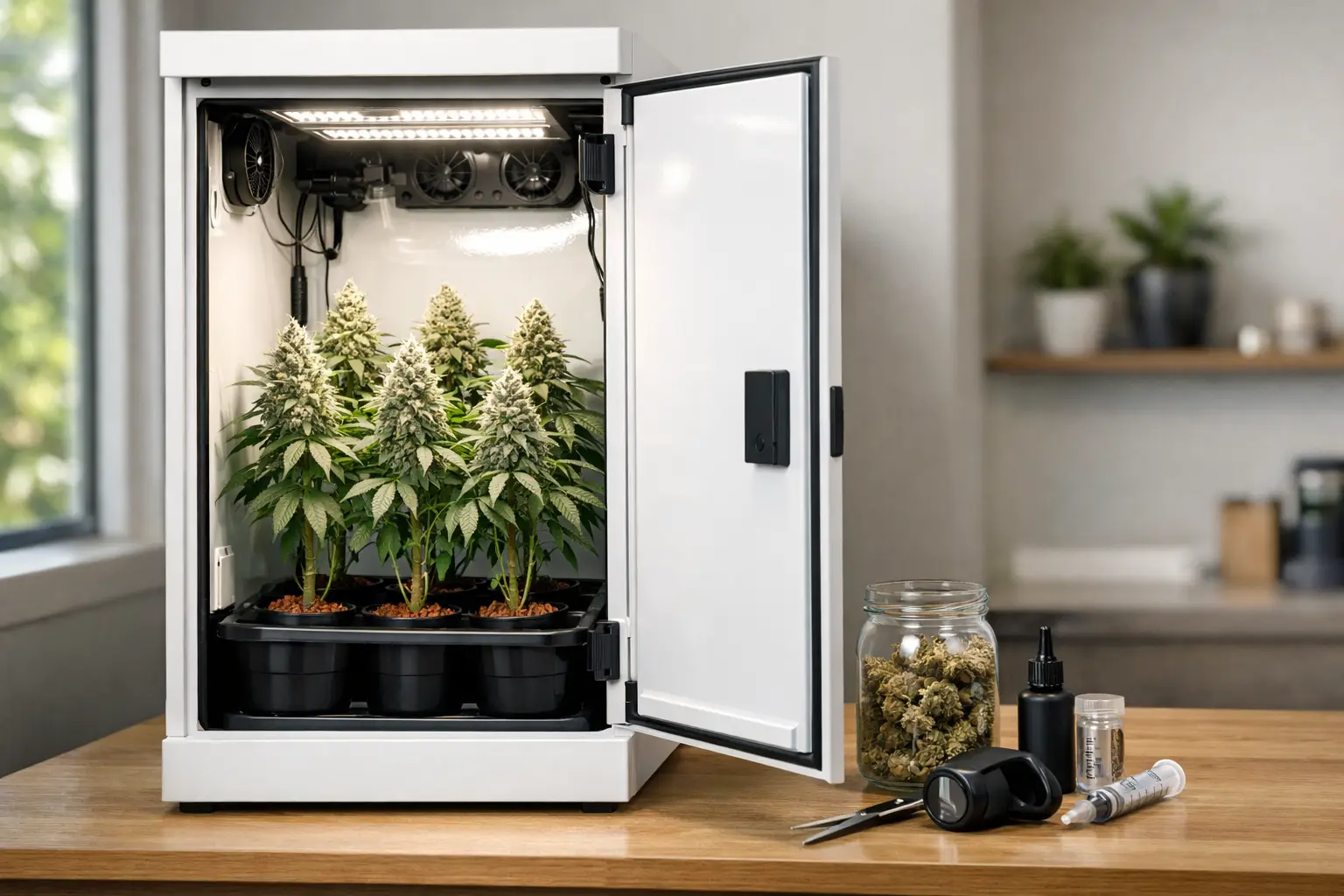
A bad first grow usually starts the same way - too much gear, too many opinions, and a method that does not match the space. A good beginner hydroponic weed setup is simpler than people make it sound. You do not need a lab, a warehouse budget, or a feeding chart that looks like a flight manual. You need a small, controlled environment, a hydro system you can actually read, and a workflow you can repeat.
For most new indoor growers, hydro only works when the setup stays disciplined. That means picking one plant style, one enclosure, one root-zone method, and one finish plan. The mistake is treating hydro like a shortcut to huge yields. In a compact grow, the real win is control. Healthy roots, stable climate, and a manageable canopy beat oversized ambition every time.
What a beginner hydroponic weed setup should actually do
Your setup has one job: make the plant easy to read. If the environment swings all day, if the reservoir runs hot, or if the light footprint does not match the plant size, you are not growing efficiently. You are troubleshooting preventable problems.
A beginner system should be small enough to manage without chasing issues across multiple plants. One plant in a compact enclosure is often the cleanest way to learn. It gives you a clear view of how the cultivar responds to light, feed strength, water temperature, and airflow. Once you can read one plant properly, scaling up makes sense. Before that, scale just creates noise.
This is also why deep water culture makes sense for many first-time hydro growers. DWC is not beginner-proof, but it is readable. If the roots are white, the water is oxygenated, the temperature is in range, and the plant is drinking on schedule, you can see what is happening. Compare that with more complex recirculating systems, where one issue can hide behind another.
Start with the space, not the nutrients
Most first-timers obsess over bottles and ignore the room. That is backwards. Your enclosure determines plant size, airflow pattern, dehumidification needs, and how much heat the light adds. If your space is a cabinet, a small tent, or a tightly controlled corner grow, choose a method that respects that footprint.
A compact enclosure with reflective walls, controlled exhaust, and consistent air movement is the backbone of the grow. The light should cover the canopy evenly without forcing the plant into the fixture. The fan should exchange air without turning the environment into a wind tunnel. And you need enough vertical clearance for the bucket, plant, light gap, and stretch during flower. Beginners often forget that the reservoir and lid already eat up valuable height.
If your space is short, your strategy has to be short too. That is where disciplined formats such as a single DWC plant and a simple flowering plan make more sense than extended veg and heavy training. A lot of growers would rather buy bigger equipment than admit the space is the limit. The better move is to match the method to the enclosure from day one.
The core gear for a clean first run
A beginner hydroponic weed setup does not need a long shopping spree. It needs a few parts that work together without drama. That usually means an enclosure, a stable LED grow light, an inline fan with carbon filtration, one DWC bucket or similar single-site system, an air pump with an air stone, a water thermometer, a pH meter, and an EC or PPM meter.
The reason this list stays short is simple. Every extra gadget creates one more thing to misunderstand. Hydro growers get in trouble when they pile on controllers, supplements, and add-ons before they can interpret the basics. If you cannot explain why the plant is praying, drooping, drinking faster, or stalling, more equipment will not save the run.
There is also a quality threshold that matters. Cheap meters that drift, weak air pumps, and lights with poor output consistency create fake mysteries. You do not need premium everything, but the tools that read or protect the root zone should be dependable.
Why DWC fits beginners in small spaces
Deep water culture gets recommended for one reason and criticized for another. The strength is speed and simplicity. The weakness is that mistakes show up fast. For a beginner, that trade-off can still be worth it because the feedback is immediate. If your roots lose oxygen, if your nutrient concentration is too high, or if reservoir temperatures climb, the plant responds quickly. That can feel unforgiving, but it is also educational.
In a single-bucket DWC setup, the priorities are straightforward. Keep the water well oxygenated. Keep the reservoir temperature under control. Feed lightly at first. Watch pH drift instead of panicking over every small movement. Top off with plain water when appropriate, and change the reservoir on a steady schedule instead of guessing.
This is also why compact hydro growers often do better with a simpler plant count. One plant in DWC can fill a small space fast. That matters if your goal is usable flower from a controlled first run, not social media bragging rights. Hydro growth can outrun your planning if the enclosure is small and the veg period drags on.
Build the process around the plant’s full life cycle
The setup is only half the decision. The other half is how you intend to run it from seed to jar. If you build a hydro system with no finish plan, you are setting yourself up to waste good flower after harvest.
For beginners, a short, structured cycle often beats a long experimental one. That is why many small-space growers do well with fast, disciplined approaches rather than trying to build giant canopies. A 12/12 from seed strategy, for example, can be a practical fit in limited-height environments because it reduces size pressure and keeps the run aligned with the space. It is not the answer for every cultivar or every goal, but it is one of the clearest examples of method-to-space alignment.
The bigger point is this: choose your flowering strategy before you start. Decide how large the plant is allowed to become, how you will manage stretch, and where the dry will happen. If the dry environment is an afterthought, quality drops fast. Good hydro flower can still be ruined by a bad dry room, excess heat, low humidity, or rushed curing.
Common mistakes that break a first hydro run
Most failed beginner grows are not caused by hydro itself. They come from impatience and mismatch.
The first mistake is overfeeding. New growers assume faster growth requires heavier feeding, but young plants and early-rooting plants usually want less, not more. Burned tips, stalled growth, and messy pH behavior often start there.
The second mistake is ignoring water temperature. Warm nutrient solution invites root trouble fast. If the reservoir runs hot, oxygen availability drops and the root zone gets harder to manage. Many growers chase nutrient ratios when the real problem is heat.
The third is poor canopy planning. In small spaces, hydro vigor can turn one healthy plant into a crowding problem in a hurry. If the top growth reaches the light too early, your issue is not genetics. It is that the plant outgrew the plan.
The fourth is treating harvest, dry, and cure like side quests. They are not. They are part of the setup decision. If you do not have a controlled place to dry and the discipline to cure properly, you are not finished building the system.
The best first setup is the one you can repeat
There is a reason structured growers get more consistent results. They remove unnecessary variables. They stop changing five things at once. They pick a setup that fits the enclosure, run it clean, record what happened, and improve from there.
For a first run, that usually means one compact grow space, one reliable light, one simple DWC plant, one nutrient line used conservatively, and one drying plan that gets the same respect as the grow itself. That is not boring. That is craft.
If you want clarity, not chaos, build a setup that helps you see the plant clearly and finish the process with the same discipline you started with. The flower will tell you whether the system worked, but only if you stay consistent long enough to hear it.