Deep Water Culture Cannabis Done Right
Deep water culture cannabis can grow fast and clean in small spaces - if you control roots, water, and climate with discipline from start to finish.
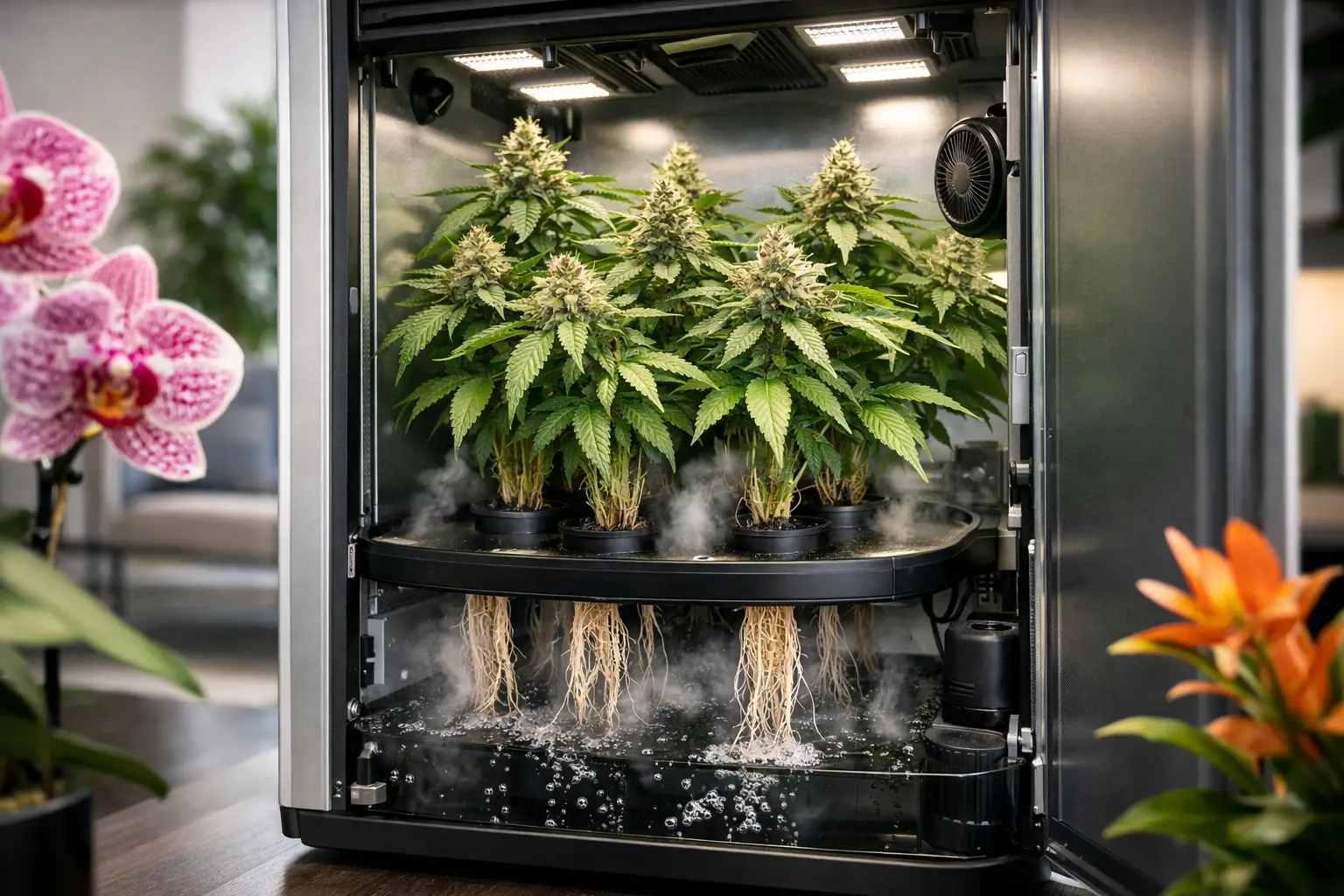
Most new growers do not fail at deep water culture cannabis because the method is bad. They fail because they treat it like a shortcut. DWC is not magic, and it is not forgiving. In a compact indoor setup, it can produce fast growth, clean structure, and excellent flower quality - but only when the root zone, canopy, and finish process stay under control.
That trade-off is exactly why DWC deserves a hard look. If you are growing in a cabinet, a small tent, or a tightly managed room, deep water culture can simplify the medium while making plant signals easier to read. You are not guessing what is happening in a pot of wet soil. You are managing water, oxygen, temperature, and nutrition directly. That level of clarity is useful. It also means your mistakes show up faster.
What deep water culture cannabis actually is
Deep water culture cannabis is a hydroponic method where plant roots hang into an oxygenated nutrient solution instead of growing through soil or coco. A net pot holds the plant above the reservoir, and an air pump drives oxygen into the water through an air stone. The roots get constant access to moisture, nutrients, and dissolved oxygen.
The appeal is obvious. Plants do not waste energy searching for water, so vegetative growth can move quickly. The root zone is visible, the feeding is direct, and there is less media management. In a small-space grow, that can mean a cleaner workflow and fewer variables.
The catch is just as obvious. Soil buffers mistakes. DWC does not. If your water temperature climbs, if your nutrient strength drifts, or if your pH wanders, the plant reacts fast. Fast growth and fast problems come as a pair.
Why DWC fits some small-space growers so well
For cabinet growers and disciplined hobbyists, DWC can match the space better than people expect. You are not hauling bags of medium, dealing with runoff trays full of sludge, or guessing whether a pot is still too wet. Reservoir management becomes the main job, and in a compact environment that can be easier to standardize than hand-watering.
This is especially true if your goal is not huge plants. Deep water culture cannabis works best when the method matches the enclosure. One plant in a controlled cabinet with a realistic canopy is a very different project from trying to fill a large tent with oversized expectations. Small-space growing rewards balance. The plant needs enough vigor to produce quality flower, but not so much unchecked growth that it outpaces your control.
That is why DWC often pairs well with simple, structured runs. Short veg, sensible training, and a readable environment usually beat aggressive plans that demand constant correction.
The non-negotiables for deep water culture cannabis
If you want DWC to stay clean instead of chaotic, there are a few variables you cannot treat casually.
Root-zone oxygen
This is the whole engine of the method. The reservoir needs active aeration at all times. Weak air supply leads to stressed roots, stalled growth, and a much smaller margin for error. Healthy white roots are not a vanity metric. They are a live readout of whether your system is functioning.
Water temperature
Warm nutrient solution is where trouble starts. As water temperature rises, dissolved oxygen drops and pathogens get a better foothold. In practice, this means DWC growers need to pay close attention to environmental heat, especially in cabinets and small tents where lights, pumps, and poor airflow can stack heat quickly.
pH and nutrient strength
DWC gives you direct control, which sounds great until you realize that sloppy mixing shows up almost immediately. Beginners often overfeed because they assume hydro means pushing harder. It usually means the opposite. Start lighter, read the plant, and adjust with intent. Burned tips, clawing leaves, and odd deficiencies are often self-inflicted by growers who keep changing the recipe instead of stabilizing it.
Cleanliness and consistency
Reservoir changes, line checks, and basic sanitation are not optional maintenance. They are part of the grow. If your style is to improvise every few days and hope the plant carries you, DWC will punish that habit.
Where beginners usually go wrong
The first mistake is choosing DWC for speed while ignoring the environment. Fast growth in a bad climate is still bad growing. If your enclosure runs hot, your humidity swings all over the place, and your air exchange is weak, hydro will not rescue the run. It will just show you the damage sooner.
The second mistake is overbuilding the system. New growers often get sold on complexity - multiple additives, expensive meters, extra gadgets, and constant solution tweaks. Most of that creates noise. A simple DWC setup with stable water, reliable aeration, and a disciplined feeding routine beats a cluttered setup every time.
The third mistake is growing too much plant for the space. This matters more than people want to admit. Deep water culture cannabis can build mass quickly, and in a cabinet that can turn into crowding, poor airflow, uneven light distribution, and harder-to-control humidity during flower. The method is vigorous. Your plan needs to be restrained.
How to run DWC with more control
Start with a realistic plant count and canopy target. In small spaces, one plant done cleanly is often better than several plants fighting the enclosure. Let the system support a manageable structure instead of chasing every square inch.
Feed lightly in early stages and let the plant earn more. This is not timid growing. It is disciplined growing. A healthy DWC plant with strong oxygenation and a stable climate often needs less nutrient intensity than a beginner expects.
Watch the water level and the plant together. Rapid drinking can mean healthy growth, but it can also signal environmental pressure. Slow uptake can mean the plant is settling in, or it can point to root-zone trouble. Read trends, not one-off numbers.
Keep your canopy strategy simple. In compact spaces, every training decision should answer one question: does this make the plant easier to light, ventilate, and finish? If not, it is probably adding work without adding quality.
Deep water culture cannabis in flower
Flower is where many decent DWC runs start to wobble. Vegetative growth can make growers overconfident. Then the canopy thickens, humidity rises, and the plant demands steadier environmental control right when the buds start becoming worth protecting.
This is also where method-to-space alignment matters most. If your plant entered flower already too large for the enclosure, DWC vigor will not save you. It will make the management harder. Tight internodes, clean airflow through the canopy, and controlled humidity matter more than bragging rights.
Nutrient discipline matters here too. Chasing heavier flower with excessive feeding usually creates harsher corrections later. Healthy flower development comes from a stable plant, not a frantic bottle schedule.
DWC does not excuse a weak finish
A lot of growers obsess over the reservoir and then wreck the result after harvest. That is backwards. Deep water culture cannabis can produce excellent flower, but the method does not protect aroma, texture, or smoke quality once the plant is cut.
If you dry too hot, too fast, or in unstable humidity, you can flatten the quality you worked for. If you jar wet flower or skip cure discipline, the root-zone precision from the previous twelve weeks stops mattering. Craft growers understand this. The finish is part of the method.
This is one reason a structured seed-to-jar approach works so well. Good DWC growing is not just reservoir management. It is environment, plant size, harvest timing, drying, and curing all connected in one readable process.
Is deep water culture cannabis right for you?
It depends on how you like to grow. If you want a forgiving medium that buffers rough handling, DWC is probably not your best first move. If you want direct control, clean feedback, and a system you can standardize in a small indoor space, it makes a lot more sense.
It also depends on your temperament. The growers who do well with DWC are usually not the ones chasing hype. They are the ones who can keep a schedule, notice small changes, and resist the urge to fix everything at once. That is why this method often works best for people who value clarity over gadget collecting and process over guesswork.
For many home growers, that is the real appeal. Deep water culture is not about making indoor cultivation look high-tech. It is about making the plant easier to read when your space, your workflow, and your expectations are all under control. If you can give it that structure, DWC stops being risky and starts being very straightforward.
Treat it like a craft process, not a stunt, and it will usually return the favor.