Harvest timing

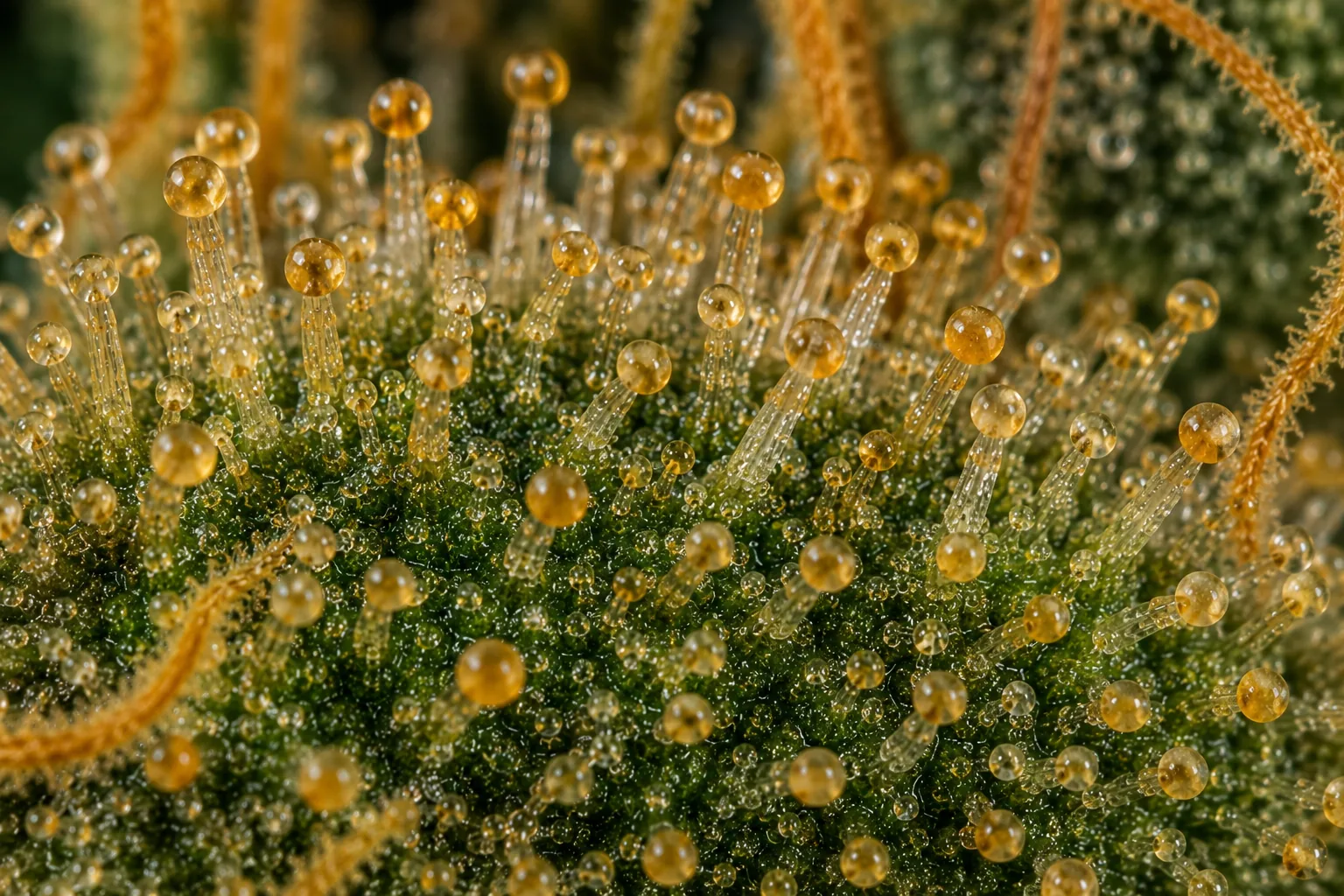
Cloudy vs amber trichomes show different harvest windows.

Cloudy trichomes usually indicate a more mature harvest window than clear ones, while amber trichomes suggest further ripening. Growers compare the two because they often use the balance between them to decide when to harvest cannabis. If the inspection vocabulary itself still feels fuzzy, start first with what are trichomes and then come back here for the narrower comparison.

This is where confidence can turn theatrical fast. Under bad light, everything looks “close enough.” Under a loupe, the plant gets a lot less interested in your optimism.

Cloudy Milky, more mature than clear, often part of the main harvest window.
Amber Later-stage coloration that suggests further ripening.
Main mistake Judging from pistils alone or checking the wrong part of the plant.
Comparison board showing clear, cloudy, amber, and mixed cannabis trichome inspection states for harvest timing.
A real inspection is usually mixed, so the pattern matters more than one perfect sample.
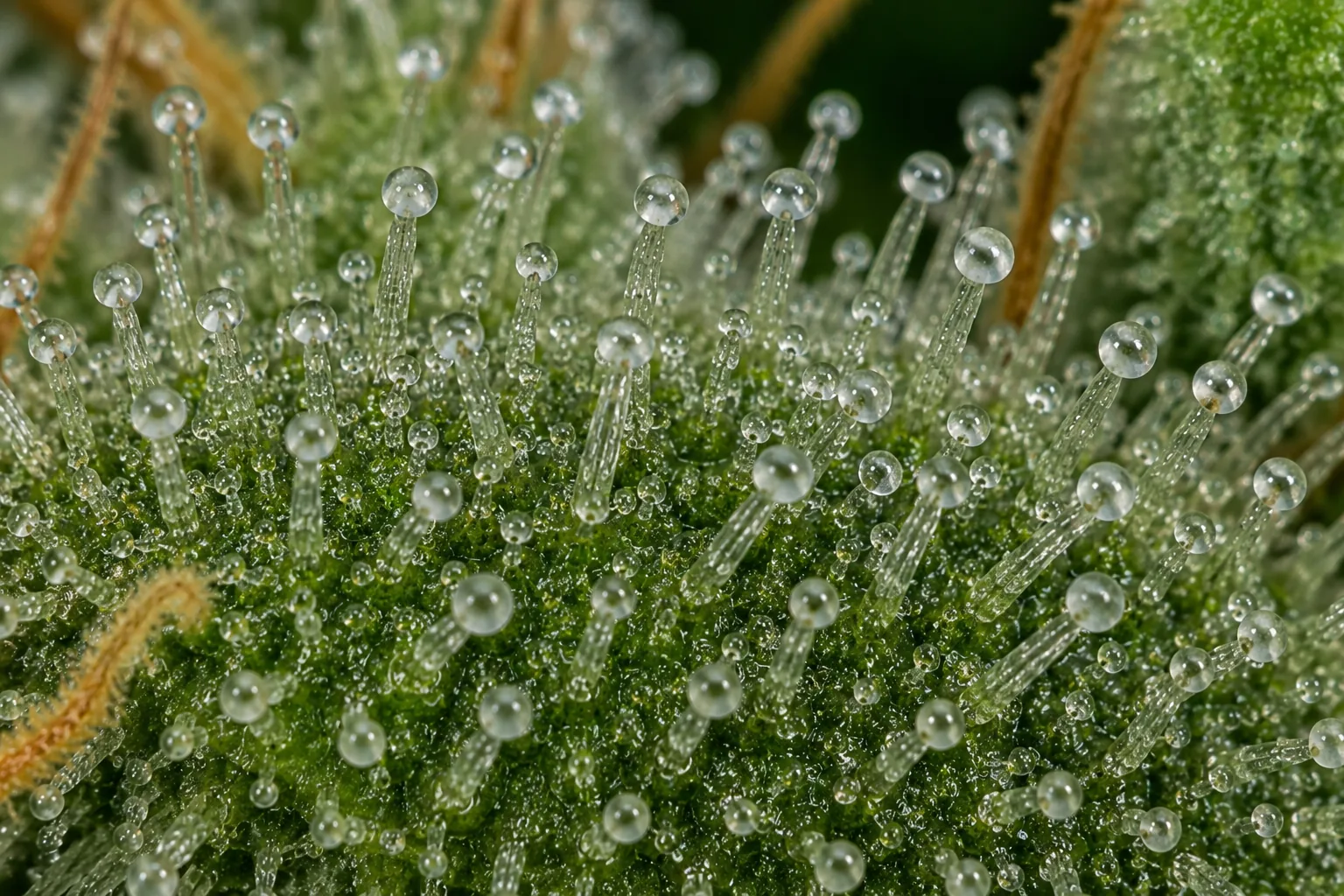
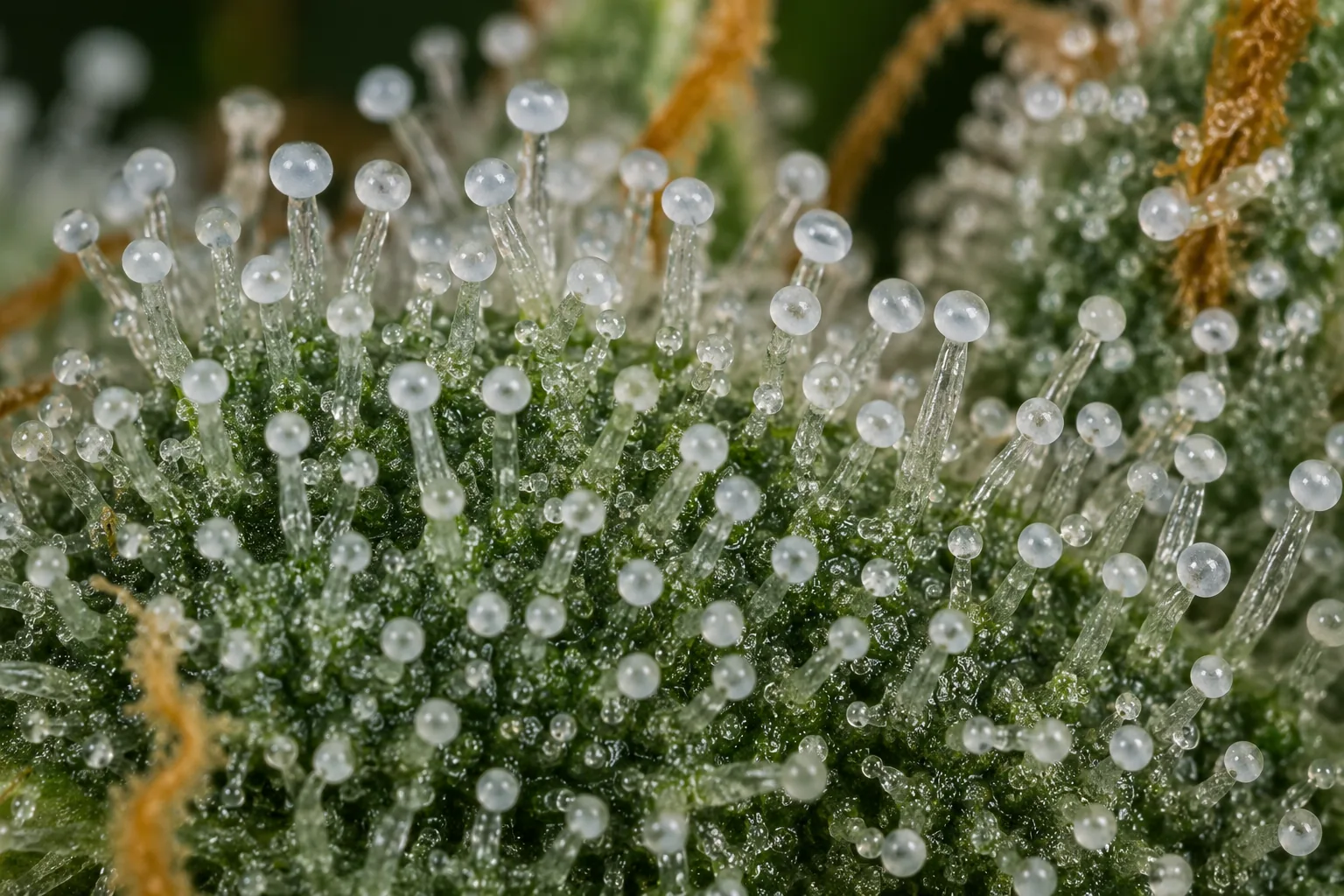
Cloudy trichomes

Milky heads usually mean the plant is getting serious.

When trichomes move from glassy clear to cloudy, the flower is generally further along in its ripening process. For many growers, this is where harvest timing becomes a live conversation instead of a distant idea.

Cloudy does not mean “chop right now or lose everything.” It means the inspection finally matters enough to stop pretending the calendar can do all the work.
Amber trichomes

Amber suggests the window has moved deeper into maturity.

Amber trichomes are usually read as a later signal than cloudy ones. The right ratio depends on the grower’s goals, but the key point is simple: amber is not “more ripe” in some heroic sense. It is just later.

That matters because beginners often treat amber like a prize instead of what it really is: a timing shift with consequences.

Comparison

How to think about cloudy versus amber without making it mystical.

Stage What it looks like How growers usually interpret it
Clear Glassy, transparent heads Usually too early to call the finish confidently.
Cloudy Milky or opaque appearance Often part of the main harvest window and worth close attention.
Amber Noticeable warm coloration in some heads Generally read as a later-stage signal than cloudy.
Where to inspect

Check the flower itself, not the fastest-aging parts around it.

The most useful samples come from the actual bud, ideally in a mid-bud area, and from more than one site on the plant. Sugar leaves can shift faster and make the whole plant look more finished than it really is.

Mixed samples

Most real inspections are mixed, not neatly labeled for your convenience.

That is normal. You are usually reading a balance, not collecting a perfect set of matching trichomes. Mostly cloudy often means the window is live. Cloudy with some amber means the window has moved later. A heavier amber mix means you are clearly deeper into it.

Look

Check the flower, not the leaves

Sugar-leaf trichomes can shift faster and make the plant seem more finished than the buds really are.

Light

Use magnification and decent lighting

Bad angles and wishful room lighting turn harvest timing into improv.

Ratio

Read the balance, not one head

The harvest decision comes from the overall pattern, not one dramatic trichome you found and fell in love with.

Quick read

The easiest interpretation is still the calmest one.

Pattern Usual reading What to do
Mostly cloudy Active harvest window Inspect closely and compare across the plant before making the call.
Cloudy with some amber Later harvest window Decide whether the later look matches the finish you are aiming for.
Lots of amber Clearly later stage Stop pretending the plant is still early and make the call honestly.
What beginners misread

The biggest mistakes come from rushing the inspection or trusting the wrong clues.

  • Using pistils alone to call harvest without checking the trichomes themselves.
  • Inspecting sugar leaves instead of the actual flower heads.
  • Calling everything cloudy because the plant looks generally “done.”
  • Assuming more amber is always better instead of simply later.
What cloudy does not mean

It does not mean the whole decision is over.

Cloudy does not mean every trichome has reached the same point. It does not mean the plant should be harvested instantly. It just means the inspection is finally serious enough to stop leaning on vague visual confidence.

What amber does not mean

It does not automatically mean “better.”

Amber is later, not nobler. Some growers prefer a later window. Some do not. The useful part is being able to read the shift clearly, not pretending one stage is universally more enlightened than the other.

Where this fits

Trichome reading is not the whole harvest decision, but it is still the sharpest tool in the room.

Pistils, plant posture, and general flower maturity all help provide context, but trichomes usually give the clearest close-up answer. The growers who get this part right tend to enter drying with fewer regrets and a lot less second-guessing.